

Omega-3 fatty acids are healthy fats that may support your heart health. Omega 3 fatty acids are made up of Eicosapentaenoic acid (EPA) and Docosahexaenoic acid (DHA ) and Alpha linoleic acid (ALA)
Omega-3 fatty acids help all the cells in your body function as they should. They’re a vital part of your cell membranes, helping to provide structure and supporting interactions between cells. While they’re important to all your cells, omega-3s are concentrated in high levels in cells in your eyes and brain
One key benefit is helping to lower your triglycerides. Specific types of omega-3s are found in fish and plants and include DHA and EPA (found in seafood) and ALA (found in plants). Some foods that can help you add omega-3s to your diet include fatty fish (like salmon and mackerel), flaxseed and chia seeds.
Omega 3’s have been well studied for their role in the support of many systems in the body. Did you know that over 60% of your brain is made up of fatty acids?
In addition, omega-3s provide your body with energy (calories) and support the health of many body systems. These include your cardiovascular system and endocrine system.
Omega 3’s are involved in a range of functions in our body and at different stages throughout our life.
• Brain: DHA, an essential omega-3 fatty acid, contributes to maintenance of normal brain function.
• Heart: EPA and DHA contribute to the normal function of the heart and help to promote good cardiovascular health.
• Vision: DHA, an essential omega-3 fatty acid, contributes to maintenance of normal vision. This is because fatty acids are a major structural component of the eye.
• Muscles and Bones: Omegas can help in reducing the incidence of osteoporosis and arthritis in adults.
• Skin, Hair and Nails: DHA is a structural component of the skin and having enough of it can help to maintain soft, moist, supple skin.
• Pregnancy: It is very important to have enough omega-3’s for the growth and development of the brain in infants.
What are the benefits of omega-3 fatty acids?
Omega-3 fatty acids have many potential benefits for your cardiovascular health. One key benefit is that they help lower your triglyceride levels. Too many triglycerides in your blood (hypertriglyceridemia) raises your risk of atherosclerosis (blocked arteries) , and through this, can increase your risk of heart disease and stroke. So, it’s important to keep triglyceride levels under control. In addition, omega-3s may help you by raising your HDL (good) cholesterol and lowering your blood pressure.
Some studies show omega-3s may lower your risk for:
• Cardiovascular disease (CVD).
• Death, if you have CVD.
• Sudden death caused by an abnormal heart rhythm (arrhythmia).
• Blood clots.
Beyond heart health, omega-3s may help lower your risk of developing:
• Some forms of cancer, including breast cancer.
• Alzheimer’s disease and dementia.
• Age-related macular degeneration (AMD).
Research continues to investigate these and other possible benefits.
Are omega-3 fatty acids good for you?
Omega-3 fatty acids may lower your cardiovascular disease risk when you consume them as part of your diet. In general, its always best to get them from food (like fish) rather than tablets. Omega-3 dietary supplements may have some benefits for some individuals that find it difficult to get them from their diet. But it’s best to exercise caution and check with your pharmacist or doctor before taking as they may interfere with some of your prescription medications.
What are the best food sources of omega-3 fatty acids?
• Oily Fish such as salmon, tuna or herring or anchovies
• Nuts and Seeds such as chia, flax, hemp seeds and walnuts
• Eggs from chickens reared on grass and plants
• Meat from animals reared on a grass-fed diet
What if you can’t eat fish?
In these cases, you can look to certain plant-based sources of omega-3, which provide the nutrient in the form of ALA. One of the best sources of ALA is ground or milled flaxseed.
When should you consider supplementation with an Omega?
• People who don’t eat fish, particularly oily fish, in their diet
• If trying to conceive for both men and women
• During pregnancy
• During the early stages of childhood development
• If keeping active to ensure the joints are lubricated
• If you have exams or deadlines approaching
If you are thinking of starting an omega supplement and are taking other medications, undergoing treatment or pregnant or breastfeeding pleases be sure to check with your pharmacist or doctor before starting a supplement to ensure that it is safe for you.
We have a range of Omega 3 supplements in Ballyduff Pharmacy and we recommend different supplements based on different dietary needs. Some of our range include
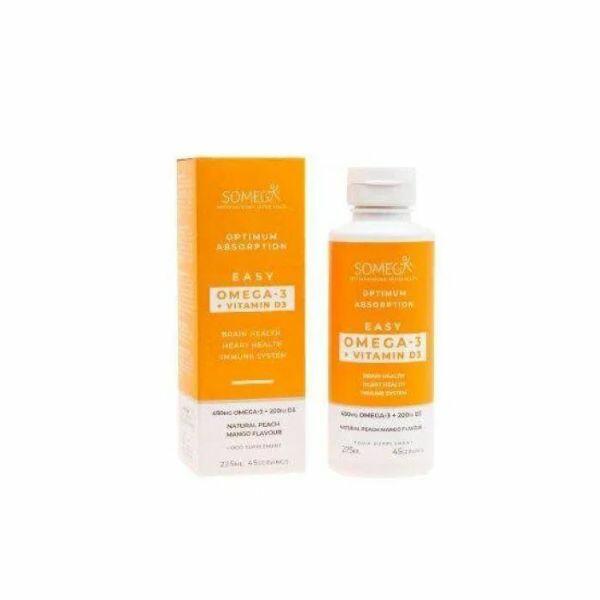
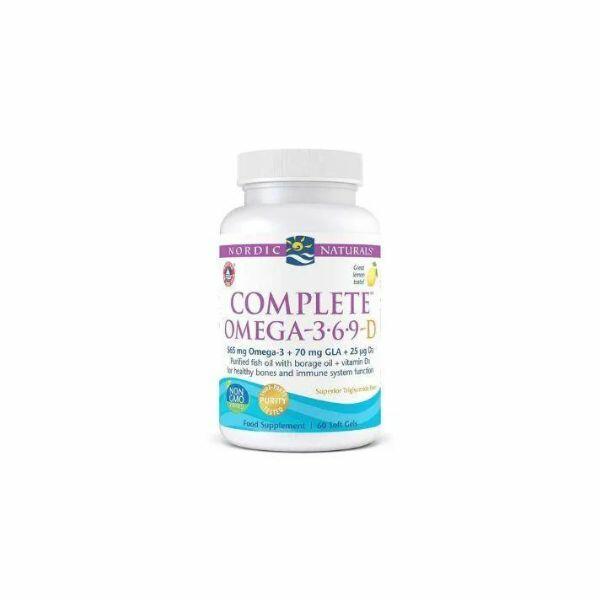 Nordic Naturals Omega3-6-9-D3
 Lutein Omega for eye health
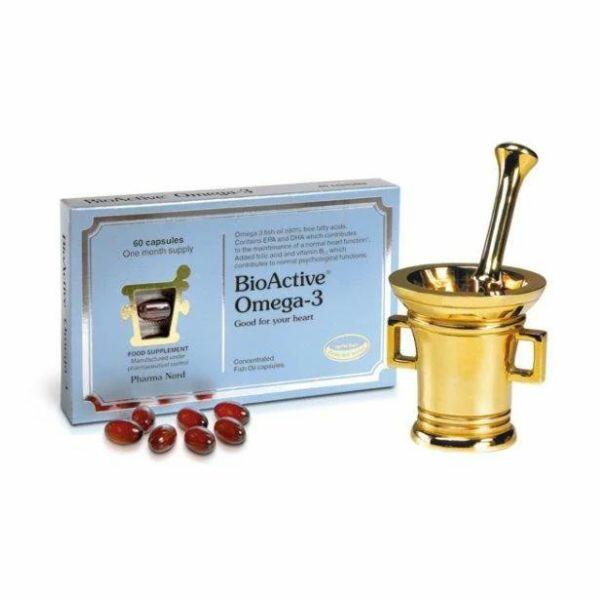 Bioactive Omega 3