

Fatigue is a common issue, and while lifestyle factors play a big role, a lack of key nutrients can also be a major culprit. The body relies on a variety of vitamins and minerals to convert food into usable energy, and when you're deficient in these, you can feel sluggish and tired.
Top 10 Vitamins & Minerals for Tiredness
1. Vitamin B1 (Thiamin) – supports ATP (cellular energy) production.
2. Vitamin B2 (Riboflavin) – helps convert food into energy inside mitochondria.
3. Vitamin B3 (Niacin) – vital for coenzymes in energy metabolism.
4. Vitamin B5 (Pantothenic Acid) – supports mitochondrial energy pathways.
5. Iron – essential for oxygen transport; deficiency is a top cause of fatigue.
6. Magnesium – activates ATP, supports blood sugar balance, and prevents energy dips.
7. Vitamin B12 – needed for energy metabolism and red blood cell formation.
8. Folate (B9) – crucial for healthy red blood cells and oxygen delivery.
9. Vitamin C – aids energy production and boosts iron absorption.
10. CoQ10 – protects mitochondria and supports energy transport, especially as we age.
Vitamin B1 (thiamin)
Your body needs vitamin B1 to make ATP and is considered an important co-factor nutrient for the production of energy. Part of the important B complex of vitamins, thiamine occurs naturally in foods such as brown rice, whole grains, pork, poultry, beans, lentils, eggs and fish, and is also available in some fortified or enriched grain products such as bread or cereal. As a water-soluble vitamin, thiamine is not generally stored in the body, and so needs to be obtained regularly from the diet.
Vitamin B2 (riboflavin)
Riboflavin is another vitamin that plays a vital role in the process of converting food into usable energy within the body. Also part of the B complex of vitamins, riboflavin occurs in eggs, lean beef, pork, organ meats, chicken breast, milk, yoghurt, mushrooms, spinach, broccoli, whole grains, brewer’s yeast and almonds, as well as fortified cereals. Like thiamine, riboflavin is water soluble and not generally stored in the body, and so needs to be obtained regularly from the diet.

Vitamin B3 (niacin)
Niacin is another water-soluble B vitamin that helps the body turn food into energy. It acts as a key component of a number of coenzymes involved in the complex conversion of food into usable energy (ATP) within the body. Niacin needs to be obtained regularly from the diet and can be found in many foods including beef, chicken pork, fish, eggs, beans, nuts, seeds and whole grains, as well as fortified cereals
Best forms: niacinamide (non-flushing form) or nicotinic acid (flushing form).
Vitamin B5 (pantothenic acid)
Pantothenic acid also helps with energy production inside the mitochondria, and can be found in beef, chicken, organ meats, broccoli, sweet potatoes, lentils, soybeans, eggs, milk, yoghurt and whole grains. To get enough vitamin B5, you should eat a variety of foods from these groups on a daily basis.
Iron
Iron is a mineral vital for transporting oxygen throughout the body. It's a key component of hemoglobin, the protein in red blood cells that carries oxygen from your lungs to your muscles and other tissues. When you don't have enough iron, your body can't produce enough hemoglobin, leading to iron-deficiency anemia. This condition often results in profound fatigue, weakness, and shortness of breath.
Food sources of iron include red meat, shellfish, liver and other organ meats, spinach, broccoli and dried apricots. Iron is an important mineral that must be consumed regularly to meet daily requirements, however excessive amounts can be damaging to the body and should be avoided.

Magnesium
Another mineral, among its many functions in the body, magnesium helps to activate ATP, the high energy storage molecule that fuels most activity. This magnificent mineral also functions as an electrolyte, which helps to support hydration levels in the body; dehydration being another major cause of fatigue. Magnesium can also help to support balanced energy levels throughout the day by helping to regulate blood sugar levels, meaning we’re less likely to experience those annoying dips in energy throughout the day.
In order to give our bodies the best possible chance of functioning optimally, it’s important to include foods high in magnesium in your daily diet. Magnesium can be found in spinach, wholegrains, Swiss chard, nuts, seeds, avocado, beans, lentils, chickpeas, quinoa and oily fish, all of which can be easily incorporated into a weekly meal planner.
Vitamin B12 (cyanocobalamin)
Vitamin B12 is another of the B vitamin family that helps the body convert the food we eat into energy. Low levels of B12 can impair the energy production process, leading to reduced energy and symptoms like fatigue and weakness.
Vitamin B12 is also needed to make red blood cells, which carry oxygen around the body. Low levels of B12 can cause a condition known as pernicious anaemia, where the body’s tissues and organs don’t get enough oxygen, causing extreme tiredness and fatigue.
Vitamin B12 can be found mainly in animal products including beef, liver, chicken, fish, shellfish, eggs and dairy products. Breakfast cereals and bread are often fortified with vitamin B12.
Folate (vitamin B9)
Folate is crucial for the production of healthy red blood cells, and insufficient levels of this important nutrient can lead to folate deficiency anaemia, where the body produces abnormally large red blood cells that are unable to carry oxygen round the body efficiently causing extreme fatigue. A folate deficiency can occur due to a diet lacking in folate-rich foods like leafy green vegetables, legumes, and fortified cereals, or issues with absorption of folate in the body.

Vitamin C
Vitamin C plays an important role in the energy production cycle in the cell and our bodies need regular amounts to convert the food and drink we consume into energy. Because we use up lots of vitamin C during times of stress and illness, it’s important to make sure we’re getting enough on a daily basis. Vitamin C is also crucial for the absorption of iron in our diet too.
CoQ10
CoQ10 is a fat-soluble, vitamin-like substance found naturally in meat, fish and nuts. It has long been known as an energy support nutrient as it plays a crucial role in energy production and transport, as well as being an important antioxidant for protecting our mitochondria.
Our levels of CoQ10 naturally decline as we get older, and commonly prescribed drugs, such as statins, have a further negative impact, so it’s important to consider this important nutrient when looking for vitamins to boost energy levels.
Best forms: ubiquinone.

Ashwagandha
Within the traditional medicinal system of India called Ayurveda, ashwagandha has long been touted for its rejuvenating properties, among a wide array of health benefits. Used as a tonic, stimulant, and astringent, ashwagandha is said to relieve fatigue, fight acute and chronic stress, boost energy levels and improve physical stamina.
Ashwagandha, specifically its root extract, also contains sleep-inducing qualities, whereas the herb's alkaloids are similarly used as insomnia treatment. This too has energy boosting implications given our body's need for energy during sleep. During sleep, cellular healing and growth take place to replenish our energy expended in our waking hours, a process necessary for us to feel well-rested and energised for the next day.
Acetyl L-carnitine
Acetyl L-carnitine or ALC is the acetylated and bioavailable form of L-carnitine. This vitamin supports energy production.
Apart from playing a major role in the production of energy, research has revealed that ALC can maintain healthy energy levels and decrease oxidative stress. ALC is also better tolerated by those who experience chronic fatigue.
Certain animal foods and animal byproducts make excellent sources of carnitine, such as beef steak, cod, chicken breast, and whole milk. However, ALC, which is available as a vitamin supplement for energy, is more bioavailable than L-carnitine. This key characteristic helps the body absorb the nutrients faster.
Nutrient gaps play a significant role in causing low energy and fatigue. The human body is like a complex machine that requires a specific set of tools and materials—vitamins and minerals—to function correctly. When there's a deficiency in these essential micronutrients, the body's energy production processes can't work efficiently, leading to a feeling of being constantly tired and sluggish.
Impaired Energy Metabolism: Our bodies break down carbohydrates, fats, and proteins from food to create energy. This complex process, called metabolism, relies on specific vitamins and minerals to act as coenzymes or co-factors. For example, B vitamins are crucial for helping the mitochondria (the "powerhouse" of cells) convert food into usable energy in the form of ATP (adenosine triphosphate). A lack of these vitamins means this conversion process is impaired, and you simply can't generate enough energy.
Oxygen Transport Problems: Iron is a critical component of hemoglobin, the protein in red blood cells that transports oxygen from the lungs to every cell in the body. When you have an iron deficiency, your body can't produce enough hemoglobin, leading to anemia. With less oxygen reaching your muscles and tissues, they can't function properly, and you experience profound fatigue, weakness, and even shortness of breath.
Mitochondrial Dysfunction: The mitochondria are where the bulk of energy is produced. Vitamins and minerals like Magnesium and Coenzyme Q10 (CoQ10) are vital for their proper function. Magnesium helps activate ATP, and CoQ10 is a key player in the electron transport chain, a crucial step in energy production. Without enough of these nutrients, mitochondrial function can be compromised, leading to a decline in overall energy.
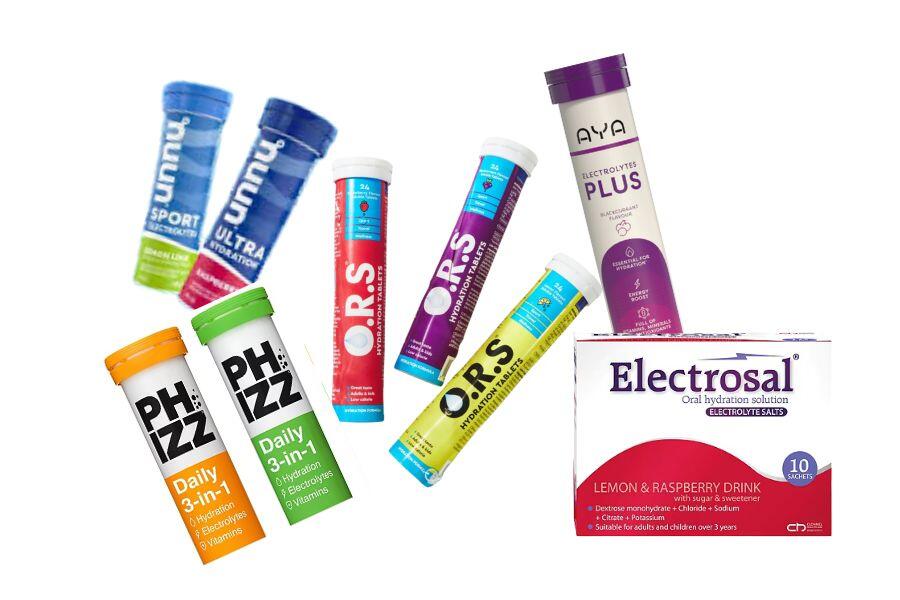
Fluid and Electrolyte Imbalance: The body's energy levels are also sensitive to hydration. Electrolytes, like magnesium, are essential for maintaining proper fluid balance. Dehydration, even a mild one, can cause feelings of fatigue and sluggishness.
Shop all our Energy supplements here at Ballyduff Pharmacy
FAQ: Vitamins, Minerals & Low Energy
1. Why am I feeling so tired?
Feeling tired can be caused by stress, lack of sleep, or a busy lifestyle—but it can also be a sign that your body isn’t getting the nutrients it needs to make energy.
2. Can vitamin or mineral deficiencies make me tired?
Yes. Your body needs certain nutrients to turn food into energy. If you aren’t getting enough of them, you may feel sluggish, weak, or constantly drained.
3. Which nutrients help the most with energy?
The top vitamins and minerals that support energy levels include:
B vitamins (B1, B2, B3, B5, B12, Folate)
Iron
Magnesium
Vitamin C
CoQ10
These work together to help your body produce energy and deliver oxygen to your cells.
4. What foods can boost my energy naturally?
Try adding more of these foods to your diet:
Lean meats, fish, eggs, dairy (B12, iron, CoQ10)
Whole grains, beans, nuts, seeds (B vitamins, magnesium)
Leafy greens & vegetables (folate, vitamin C)
Fruits like oranges and berries (vitamin C)
Eating a balanced, varied diet helps keep energy levels steady.
5. How does iron help with tiredness?
Iron helps your blood carry oxygen. When you’re low in iron, your cells don’t get enough oxygen—this can make you feel exhausted, weak, or out of breath.
6. What are signs I may be low in B vitamins?
Low B vitamins can cause:
tiredness
low mood or brain fog
weakness
poor concentration
Because B vitamins aren’t stored well in the body, you need to get them daily.
7. Why is magnesium important for energy?
Magnesium helps activate ATP—the molecule your body uses for energy. It also supports healthy blood sugar and hydration, which means fewer energy crashes during the day.
8. How does Vitamin C affect energy?
Vitamin C helps your cells make energy and boosts iron absorption. Because your body uses more vitamin C during stress and illness, daily intake is important.
9. What is CoQ10, and does it help?
CoQ10 is a nutrient your body uses in its energy-making process. Levels naturally drop as you age. Some people find CoQ10 supplements help support energy, especially if they take statins.
10. Can herbs like ashwagandha help me feel less tired?
Ashwagandha is known for supporting stress relief, better sleep, and improved stamina—many people use it to help with fatigue.
11. What about Acetyl L-Carnitine (ALC)?
ALC helps your body turn fats into energy and may support people who struggle with tiredness or low stamina.
12. Do I need supplements, or can I get everything from food?
Most people can get enough vitamins and minerals from a healthy diet. Supplements may help if you’re deficient, very stressed, have a restricted diet, or feel consistently low in energy. If you’re unsure, our pharmacists can guide you.